08 October 2026

The Point Of Aging Well Is To Be Happy!


The third key piece to healthy aging is finding ways to maintain your emotional health and social connections. This is not only important for us seniors. Career and family obligations can gobble up your time at a prodigious rate and leave you feeling emotionally drained day after day. 

The older I get, the more I realize that my emotional health isn’t something that “just happens” — it’s something that has to be tended on purpose. Friend groups change, schedules shift, and some days the quiet can feel - well - really quiet. What can help is building small, repeatable habits that steady your days and keep you connected. None of it is fancy; most of it fits in the empty corners of a normal week.

For emotional well-being, start with a simple morning check-in: How are you right now, really? What do you need this day. Open a window (assuming you are not in North Dakota in February) and take a few deep breaths. Fresh air and sunshine are nature's miracle cure. Step outside for a ten‑minute stroll, even if it’s just to the mailbox and back (a dog is a great companion as well as motivation not to skip doing it). As you walk, remind yourself what you're grateful for, what you're curious about, or what you're looking forward to. Let the news and doom‑scrolling wait until after breakfast, it will still be there. Protect those first minutes of your day, they set the tone. At night, remind yourself of three small good things from the day that you are grateful for. It is very difficult to be both grateful and miserable. Fall asleep with positive thoughts.

For connection, maybe lower the bar and increase the frequency. Keep a “connection list” of people you enjoy and rotate through it with quick touch points: a photo of your coffee mug (or your cat on your coffee mug), a voice memo (it will really stand out among all the texts), a goofy meme that made you smile. Standing plans help: “Tea Tuesday” phone calls, a Thursday walk‑and‑talk, or a regular library date. Hosting tiny things (like a bring‑your‑own‑mug porch chat) can be a sweet way to see faces without a lot of fuss.

Make use of online resources like Meetup to find people with common interests. Get involved with the almost limitless opportunities in your community to volunteer your time and talents to help others. Set yourself up with tools that make reaching out easier.  Favorites starred in your phone, using voice‑to‑text for quick notes, and birthday reminders so you can send a voice greeting. Local “third places” — the library, a garden club, a faith group, the community center — offer built‑in conversation. Showing up once a week adds a nice rhythm. On low‑energy days, you can aim for “social snacks”: a hello to the neighbor, a kind word to the cashier, a smile at the dog walker. Those tiny exchanges count more than we think. Not every day will be high energy, so cut yourself some slack.

Aging can be reflective and invite us to be more intentional — not about doing more, but about doing what matters most to you. If any of these ideas spark something, try one this week and see how it fits. What small habit helps you feel grounded or connected lately? Share below or just say hi — I’m always glad to hear from you.

06 October 2026

Good Nutrition Need Not Be A Challenge For Seniors


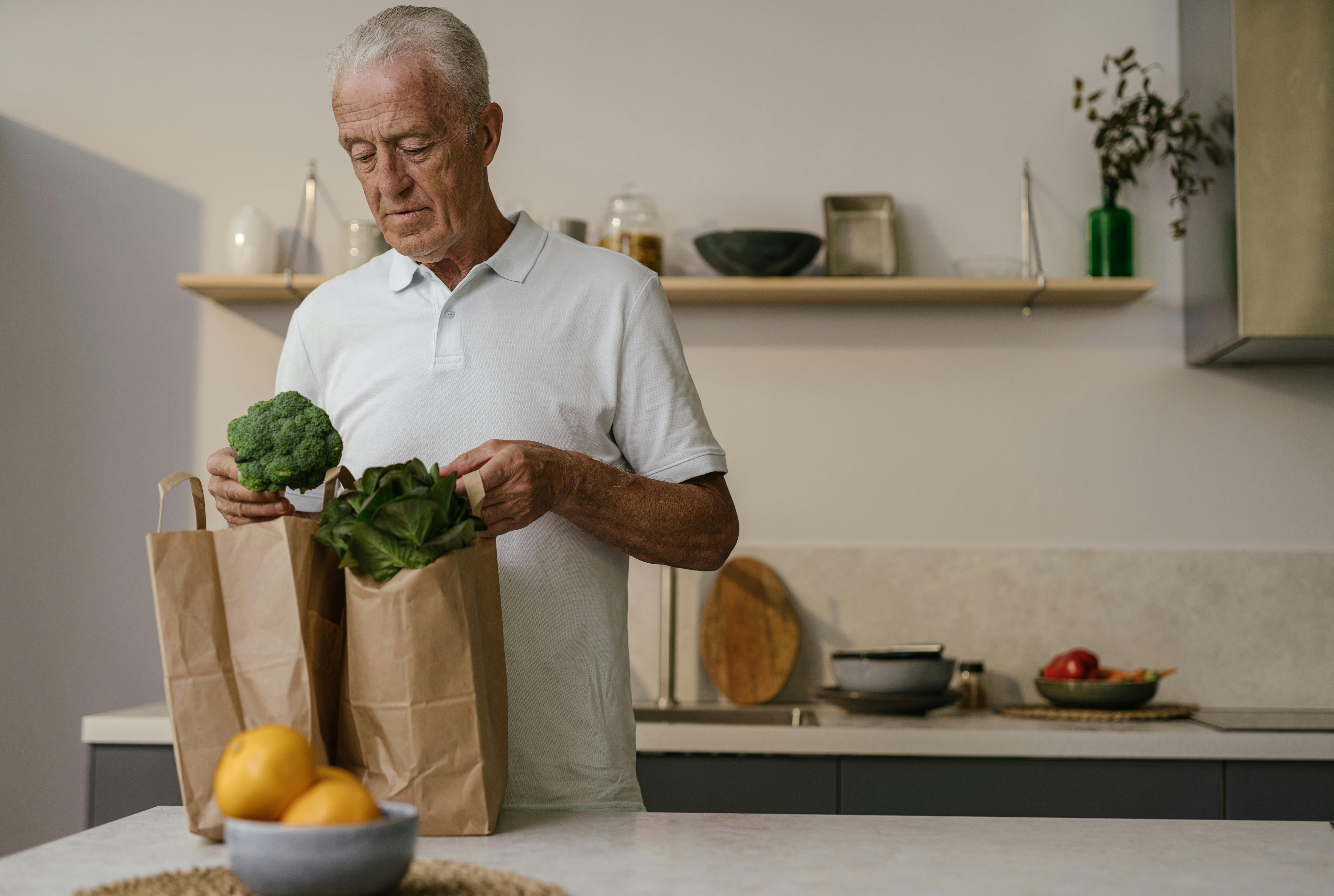
If you’re an older adult (aka senior), food can feel surprisingly burdensome and complicated. Taste buds change, appetites ebb and flow, and what was easy to cook five years ago might feel like a chore now. But the goal isn’t perfection — it’s meals that are simple, satisfying, and nutritionally sound. Here are the nutrition touchpoints you can return to when you're planning your plates.

Start by building your meals around steady, gentle protein and plenty of colorful plants. Think scrambled eggs with soft sautéed spinach, Greek yogurt with berries and a sprinkle of oats, tuna or salmon salad on soft whole‑grain toast, or a warm lentil soup finished with olive oil. Beans, nut butters, cottage cheese, and soft cheeses make it easy to tuck protein into snacks, too. For plants, cooked veggies, peeled fruits, oatmeal, and blended soups are friendly on chewing and digestion. Aim for “one more bite of protein and one more plant” at each meal — small adds that feel doable and add up over time.

Hydration is the quiet hero. Many older adults sip more when drinks are appealing and within reach, so keep water on the table, brew herbal tea, add lemon or cucumber to a pitcher, and count broths and watery fruits as part of the day. For flavor, lean into herbs, citrus, garlic, and olive oil rather than a heavy hand with the salt shaker. When you use canned goods, look for “low sodium” and rinse beans and veggies. They add a lot of convenience but also a lot of sodium. Rinsing will reduce the sodium content. When choosing staples like milk alternatives or cereals, check the labels for options that are enriched or fortified.

Let's face it, convenience matters. Especially if you are preparing your own meals. Consider making larger portions at one time and freezing some for later. The freezer is your friend. Smaller, more frequent meals often feel better than big plates, so a snack tray with cheese, crackers, sliced fruit, and hummus can be just right. Keep easy wins on hand: nut butters, canned fish, whole fruit cups packed in juice, microwavable brown rice, frozen veggies, and pre‑washed greens. If chewing is tricky for you then mash, stew, or blend foods for softer textures that are still tasty. And whenever possible, make it social — a shared meal, a video call “tea time,” or setting the table with a little color can make simple food feel special.

This is good general info, but not medical advice. If you have specific health issues or questions, check in with a healthcare professional or a registered dietitian who knows your individual situation and can offer customized advice.

What’s one easy, senior‑friendly meal you love to make? Drop your go‑to in the comments, or message me if you’d like the simple grocery list template I use to keep this simple.

02 October 2026

Eat Well to Age Well


Aging well isn’t about chasing perfection or jumping on every trend promoted by the hot social media influencer of the week. It’s about a handful of steady habits that are doable on real-life Tuesdays. The second leg of the healthy aging stool is a good diet and solid nutrition - not as a chore but a habit. If nutrition has felt noisy or complicated, you are not alone. Here’s a simple framework you can come back to when you want your meals to love you back.

First, anchor your meals with protein that you enjoy—think a palm-sized portion of fish, chicken, tofu, beans, low fat cheese, or eggs. This is not to suggest that you must avoid red meat, just don't make it the foundation of your diet. Maybe, as the TV commercial used to say, "Beef! Its what's for dinner". Just don't have it 5 nights a week. 

Then build some color around it: leafy greens, steamed or roasted veggies, bright fruits, or whatever produce is in season. Whole-food carbs (oats, quinoa, potatoes with the skin on, brown rice, whole fruit, whole grain breads and pasta) round it out, and fiber-rich choices will help you feel full and more satisfied. Unless you are intentionally trying to lose weight, don’t bother to count anything. Just look down and ask, “Do I see protein, plants, and something hearty on this plate?”

Next, add fats that make good food taste even better: a drizzle of olive oil, a few olives, avocado, nuts or seeds. Carry some water around with you and have some tea in the afternoon - hot or cold. It doesn't have to be herbal (unless you like herbal). When you do have bread, pasta, or rice, pair them with some protein or healthy fats—this simple combo will leave you feeling steadier between meals. And  keep ultra-processed snack foods as an occasional thing. Moderation is the key here, not denial.

Also pay attention to a few nutrients that often come up in conversations about aging: B12, calcium, vitamin D, and magnesium, along with getting enough protein across the day.  Then check in with your healthcare provider about labs to see where you stand. Supplements can help fill in any gaps in what you are getting from your food but take a "real food-first" approach. (Maybe that's why they call them supplements?) 

In the kitchen, make meals that are easy to prepare—soups, sheet-pan dinners, soft-cooked veggies, smoothies when appetite is light or time is tight. Add plenty of herbs and spices in place of salt. And keep an eye on late caffeine or alcohol if they nudge your nights off track. Sleep is precious.

If you’re looking to simplify, try building your next plate with this “protein + plants + something hearty + a little healthy fat” lens and see how it feels. If this was helpful, save it for later—and tell me one small change you’re making this season. I’m cheering you on, right where you are.

Next time we will take a deeper dive on diet and nutrition issues of particular concern to us senior healthy agers.