Showing posts with label Studies and Clinical Trials. Show all posts

01 July 2022

Eating for Longevity


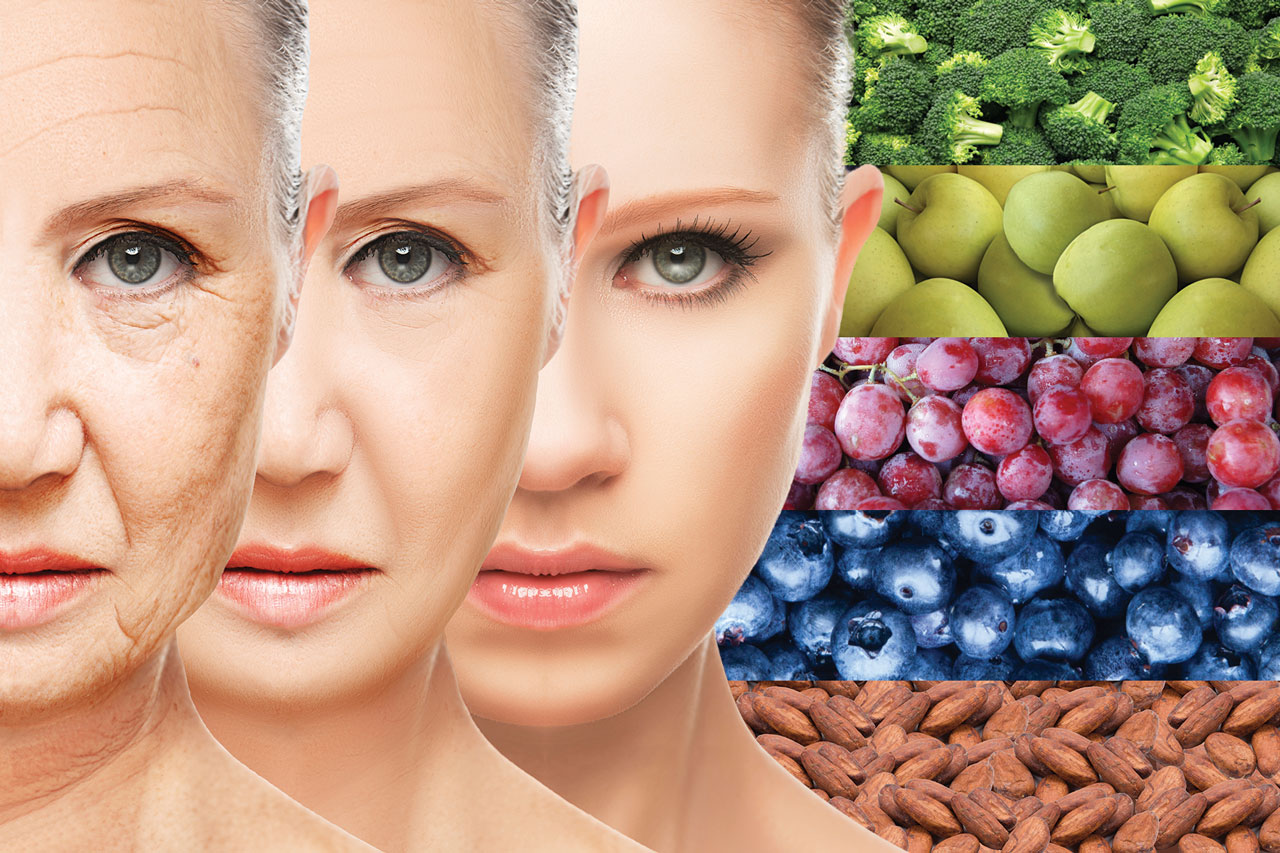
Perhaps unsurprisingly, what you eat has a significant effect not only on how healthy you are but on how long you live. A 2022 study published in PLOS Medicine concluded that a young adult in the U.S. could add more than a decade to their life expectancy by changing their diet from a typical Western diet to an optimized diet that includes more legumes, whole grains and nuts, and less red and processed meat. For older people, the anticipated gains to life expectancy from such dietary changes would be smaller but still substantial.

Here are the most important changes that you could consider to help you add more healthy years to your life.

Trim out some calories.
According to the Calerie clinical trial cutting out 12% - 14% of your usual daily calorie intake may help improve mood and even defend against age-related diseases that ravage the body. One study published in Cell Metabolism concluded that cutting calorie intake by 15 percent over two years can slow aging and protect against diseases such as cancer, diabetes, and Alzheimer’s. The diets work by helping slow the metabolic rate and reducing free radicals linked to chronic illnesses.

Eat more fiber.
Adults age 40 and older who ate at least 25 grams of fiber per day had a 21% lower risk of dying over a 12 year period according to a study from the University of West Virginia University School of Medicine. The average American consumes about 16 grams a day.

Get your fruits and veggies.
Eating 3 servings of vegetables and 2 of fruit every day lowers your risk of death from any cause according to a study that tracked over 100,000 men and women for over 30 years. The study did not show that eating more than 5 servings produced any additional benefit.

Saturated fat is still bad.
Despite confusing media reports to the contrary, saturated fat can lead to heart and vascular system problems and even small reductions can produce significant benefits. Major sources of saturated fats in the American diet include red and processed meats and butter.

Eat more plants.
Replacing animal protein with plant protein can add extra years. Swapping as little as 3% of daily calories may reduce the risk of early death by 10% according to a 2020 study by the National Institutes of Health.

Have fishy Fridays.
Compared to those who never or rarely at fish, those who ate it at least once every week had a 12% lower risk of death from any cause, according to a study published in the European Journal of Clinical Nutrition.

You need not adopt all these changes (although that would be best) to experience benefits. But "we are what we eat". So consider that the next time you reach for fast food or processed garbage.


30 June 2022

Too Many Meds for Us Older Folks


In a recent study of 422 adults with early signs of dementia, 55% were regularly taking six or more prescription medications. “Many drugs may be especially harmful to older adults with cognitive impairment, such as benzodiazepines, used to treat anxiety, and oxybutynin, used to treat urinary incontinence. These drugs have sedating effects that increase the risk of delirium and can worsen dementia,” said study author Matthew Growdon, MD, an aging research fellow at the San Francisco VAMC and the University of California San Francisco’s Division of Geriatrics. In addition to adverse interactions and outcomes, overprescribing of medications (polypharmacy) also contributes to challenges with adherence, since more complicated medication regimens require more time and attention, and increase the potential for making mistakes and inadvertent misuse.

Of particular concern is the administration of drugs to elderly residents of nursing homes and elder care facilities primarily for the purpose of keeping them sedated and easier to mange. Often the problem arises because a patient is seeing several different medical providers and none of them communicate with the others regarding prescriptions. Often, a pharmacist will catch a problem, but only if someone obtains all of their prescriptions from the same pharmacy.

In addition to making dementia worse, drug interactions can have many other serious health effects.

The researchers advise reviewing all the medications that you or a loved one may be taking with your primary healthcare provider on a regular basis. I can personally attest the the effectiveness of this. In the case of my mother, who was suffering from Alzheimer's, she had been taking 13 different prescription medications. After a review with a new primary care physician, she was taking only 3.

Don't assume that your doctor or pharmacist is aware of every medication that you are taking. Make certain that they are.


28 June 2022

Hydration and Your Heart


It is hard to live in this world of ubiquitous water bottles and not be aware of the importance of staying well hydrated. New findings suggest that consuming sufficient amounts of fluids throughout life not only supports essential body functioning but may also reduce the risk of severe heart problems in the future. Staying well-hydrated may be associated with a reduced risk for developing heart failure. 

Heart failure, a chronic condition that develops when the heart does not pump enough blood for the body's needs, affects more than 6.2 million Americans, a little more than 2% of the population. It is also more common among adults ages 65 and older.

The study, conducted by the National Heart, Lung and Blood Institute in Bethesda, MD and published in the European Heart Journal, found that people with a high serum sodium level in their blood, an indicator of chronic dehydration, were 54% more likely to develop heart failure in later years than those with normal serum sodium levels. Those with the most elevated serum sodium levels were twice as likely to develop a condition where the heart muscle becomes thickened and pumps blood less efficiently (ventricular hypertrophy).

What should you do? The study authors suggest that most people should consume four to six 8oz glasses of water every day. If you are younger, larger, or more physically active or if you live in a hotter, more humid environment, you probably need a bit more. Also, it need not literally be glasses of water. Juices, tea, coffee and many fruits and vegetables contribute to your intake. A simple way to remember? Keep one of those water bottles with you and sip on it through the day.


21 June 2022

Healthy Skin and Nutrition


It seems like everywhere you turn, you find advice for using supplements to maintain healthy skin and avoid serious skin problems. Even supposedly reliable sources such as WebMD insist "Your skin needs the right balance of nutrients!" Much of this advice focuses on antioxidants like vitamins A, C and E. 

Unfortunately there is little evidence that particular nutrients are especially effective for skin health or that deficiencies result and skin conditions. There are large trials that show just the opposite. Antioxidant supplementation does not seem to reduce the risk of skin cancers at all. 

I would be the very last person to suggest that sensible supplementation had no value. But if you want healthy skin, eat a balanced Mediterranean style diet, limit alcohol, don't smoke, use sunscreen and wear a hat. That doesn't sound too sexy if you are selling supplements, but it works.


03 June 2022

Some Good News About Statins


Statins are widely prescribed to control high cholesterol and are somewhat controversial because of their many significant side effects. But recent research may have found an important and beneficial, if unintended, use for statins.

A recent study published in the journal Clinical and Translational Medicine suggests that statin drugs may be effective at slowing the growth of cancerous tumors. The study by the Center for Molecular Biology in Berlin, found that by inhibiting the expression of the MACC1 gene in mice statins successfully stopped the spread of cancers. A subsequent review of cancer among statin users found that the drugs reduced cancer incidence by about 50%.

Much more research is needed but human trials are planned for the near future.


25 May 2022

Niacin May Slow Alzheimer's Progression


Vitamin B3 (Niacin) may slow the progression of Alzheimer's disease. In a recent animal study at Indiana University School of Medicine, researchers found that niacin limits Alzheimer's disease progression when used in models in the lab, a discovery that could potentially pave the way toward therapeutic approaches to the disease.

In the study,  laboratory animals that were given niacin in extended release tablets showed improved cognition and developed fewer amyloid plaques in their brains, both signs of Alzheimer's. 

In the brain, niacin interacts with a highly-selective receptor present in immune cells and physically associated with amyloid plaques. When niacin activates the receptor, it stimulates beneficial actions from these immune cells, said Gary Landreth, PhD, Martin Professor of Alzheimer's Research, one of the lead researchers on the study. 

Past epidemiology studies of niacin and Alzheimer's disease showed that people who had higher levels of niacin in their diet had diminished risk of the disease, Landreth said. Niacin is also currently being used in clinical trials in Parkinson's disease and glioblastoma.

While this study does not prove a causal relationship between niacin and Alzheimer's it suggests a promising direction for additional research in humans.

Foods that are high in niacin include fish, chicken, pork, beef, mushrooms, brown rice, peanuts, avocados, green peas, bell peppers and beans.

24 May 2022

How Many Daily Steps = Better Health?


The popular recommendation of taking 10,000 steps per day to maintain optimal health is is so widespread that it is widely accepted as true. The problem is, there is no scientific evidence to support the claim. In fact, the claim that 10,000 steps every day was what you needed to stay in good health is nothing more than an unsubstantiated number invented to market a pedometer. That's right. There is no scientific basis for the claim whatsoever.

Still, there is little doubt that walking does indeed help improve and maintain your good health. Many published studies credit walking with benefits ranging from lowering blood pressure to improving your heart health to maintaining a healthy weight. So how much walking is needed to reap these health benefits? If not 10,000 steps then how many?

In a study published in JAMA Open Network in September of 2021, researchers at the University of Massachusetts Amherst tracked the daily walking of over 2,000 middle aged people for 15 years. The verdict?

Those who walked an average of 7,000 steps per day had a 50% lower risk if death from any cause compared with those who walked less than 7,000 steps.

Another study published in Lancet Public Health analyzed data on 47,000 people and also found a markedly reduced rate of mortality from any cause among those who regularly averaged 6,000 to 8,000 steps per day.

So it seems like 7,000 makes for a better and more realistic steps-per-day target for most people. Just to give you some calibration, 2,000 steps roughly equates to a walk of about 1 mile.

But wait, there's more!

Research from McGill University in Canada concluded that adding just 1,200 additional steps to your day will decrease your risk of heart disease, stroke, diabetes and overall mortality. The benefits are not as great as for the 7,000 steppers, but they are significant. Those starting from the fewest steps per day will see the greatest benefit.

Walking is free, requires no specialized equipment or training and taking a surprisingly low number of additional daily steps will make you a healthier person.

05 May 2022

Lose Weight, Lower Cancer Risk


Colorectal cancer is the third most common cancer in men and women and is the third leading cause of cancer-related deaths in the United States. The American Cancer Society estimates that there will be over 150,000 new cases of colorectal cancer in the United States in 2022. Over 52,000 Americans will die from it this year.

There is no sure way to prevent colorectal cancer. But there are things you can do that can help lower your risk of developing it, such as changing the risk factors that you can control. These include smoking, excessive alcohol use, a diet that is high in red and processed meat, a sedentary lifestyle and being overweight. Each of these factors is a lifestyle choice that you make.

A study completed earlier this year and published in JNCI Cancer Spectrum concluded that losing as little as 1.1 pounds every five years from age 50 through the mid-70s reduces your risk of developing colorectal cancer by 15%. Gaining more than 6.6 pounds increases your risk by 18%.

Weight loss in adulthood was associated with reduced cancer risk, particularly for those who were overweight or obese, whereas weight gain increased risk. These findings underscore the importance of healthy weight maintenance throughout adulthood in preventing colorectal cancers.

Are there seriously people who can not lose a little more than 1 pound every 5 years?

03 May 2022

Chronic Sleep Deprivation Raises Dementia Risk


People regularly sleeping less than 6 hours a night have an increased risk of developing dementia later in life compared with those who usually sleep more than 7 hours.

According to a study published in the journal Nature Communications, getting six hours or less of sleep a night during middle age significantly increases the risk of dementia. The 25-year study of just under 8,000 participants found that those who averaged less than six hours of sleep at age 50, 60 and 70 were associated with a 30% higher dementia risk that was independent of demographic, behavioral and mental health factors. 

“Even though we can’t say sleep duration has a causal impact on dementia, it would be good to encourage good sleep hygiene,” said the study’s lead author and French Institute of Health and Medical Research epidemiologist Séverine Sabia.

According to experts not associated with the study, the results are particularly noteworthy for the long period over which participants were observed and because authors took other factors into consideration. “That gives us greater confidence that this study was looking purely at the relationship between dementia and sleep,” said Brigham and Women’s Hospital sleep scientist Rebecca Robbins, who was unaffiliated with the study.

To attempt to get more and better sleep, Robbins recommends daily natural light exposure, eating dinner a minimum of one hour ahead of retiring and creating a  bedtime ritual of turning off all screens (cell phones, computers, TVs, video games) to prepare your mind for slumber.


29 April 2022

Osteoporosis Is Not Just for Women


Osteoporosis, or brittle bones, is a condition normally associated with postmenopausal women but it is also seen in men. According to Dr. P. Peris of the University of Barcelona, "Osteoporosis in men has received much less attention; however, it is increasingly recognized as a problem in clinical medicine." According to Dr. Allan Gold, an endocrinologist and senior physician at Montreal General Hospital, a recent Canadian survey found that 20 percent of men have serious bone loss in their vertebrae, and by age 70 the figure is as high as 30 percent. Gold said that "men in their 80s have a fracture rate that is equal to women's."

The main cause of osteoporosis is aging. The sex hormones, estrogen and testosterone, hold the balance between bone renewal and deterioration. Women who are entering menopause are briefed on the tools to fight osteoporosis: exercise, a calcium-rich diet, estrogen-replacement therapy and other medications. Men in their 60s rarely receive any such medical alert even though their testosterone levels decline, and some men suffer from "male menopause", or andropause. For those men and others, osteoporosis is a real risk.

A recent study of over 10,000 people under age 60 by researchers at the University of Chicago and published in the Journal Of Clinical Endocrinology & Metabolism found that men with high levels of body fat were more likely to have lower bone density and attendant fractures than men with normal levels of body fat. "We found that higher fat mass was related to lower bone density, and these trends were stronger in men than women," said Rajesh K. Jain, M.D., of University of Chicago Medicine, one of the researchers. The review of the literature done by the researchers shows that osteoporosis and fragility fractures have a high incidence also in men; and, furthermore, the risk of fatal complications in hip fractured men is higher than that for women.

The recommendation is that men age 70 or older and men age 50 or older with high risk factors (high body fat, history of smoking, prior fractures, lack of physical activity) have a baseline screening and be tested every few years thereafter. 

Its not just for women anymore.


28 April 2022

Vitamin D and Autoimmune Diseases


Autoimmune disease refers to problems with the immune system where immune cells target the body’s own healthy tissues by mistake, signaling the body to attack them. Autoimmune diseases can affect almost any part of the body. Some examples of common autoimmune diseases include rheumatoid arthritis, Type-1 diabetes, multiple sclerosis, psoriasis and lupus. There are over 80 known types of autoimmune diseases that affect over 24 million people in the US alone.

So recent study results published in The BMJ was good news. People who took 2,000 international units per day (IU/day) of vitamin D, with or without one gram of fish oil, for slightly more than five years reduced their risk of developing an autoimmune disease by 22% when compared to their counterparts who took a placebo.

"It looks like giving vitamin D will prevent autoimmune disease, which is really exciting," said study author Dr. Karen Costenbader, a rheumatologist at Brigham and Women's Hospital in Boston.

Participants were randomly assigned to receive either 2,000 IU/day of vitamin D with a 1 gram omega-3 fatty acid supplement; vitamin D with a placebo; omega-3 fatty acid with a placebo; or placebo alone. The participants then answered questionnaires about new diagnoses of autoimmune diseases, and doctors reviewed their records to confirm these diagnoses. People who took vitamin D or vitamin D and omega-3 fatty acids had a lower rate of autoimmune disease than people who took a placebo or omega-3 fatty acids alone after slightly more than five years of follow-up, and these effects were more pronounced after two years.

Still, Costenbader cautioned not everyone should jump on the vitamin D supplement bandwagon. "There are some people who need to avoid vitamin D because they have a history of kidney stones or other diseases," she said. "Check with your doctor before you start taking supplements."

Also, vitamin D is fat soluble, meaning it is not as easily expelled from the body as water soluble vitamins and can accumulate over time. The safe upper limit for supplementation with vitamin D is generally thought to be 4,000 IU daily.


12 April 2022

Does It Matter When You Exercise?


Does it really matter what time of the day you exercise, or if you always exercise at the same time? Is morning exercise better than evening exercise? Or is this just another thing that people love to argue about?

To find out, researchers in Australia randomly allocated 40 sedentary, overweight individuals to complete a supervised, 12-week exercise program where participants walked and did resistance training three times per week for an hour. The study divided the participants into morning or evening groups.

At the end of 12 weeks, average cardiovascular fitness increased equally in both groups. Body fat and waist size also decreased equally. Both groups reported feeling less likely to overeat in response to stress than when they entered the program.

"Exercise training improved body composition and some appetite outcomes, although changes were inconsistent and largely independent of exercise-timing. In the absence of dietary manipulation, the effect of diurnal exercise timing on appetite and body composition appear trivial compared to the overall benefits of exercise participation," concluded the researchers. In other words, it makes no difference when you exercise. Just exercise at whatever time works best for you.

25 March 2022

Coffee and Dementia: Pros & Cons


Coffee may be somewhat protective against dementia, unless it isn't. It seems like every week a new study comes out that contradicts the previous one. But if you read past the headlines, you will find there is really no contradiction at all. Some coffee seems to be protective; too much coffee apparently has the opposite effect.

As part of the Australian Imaging, Biomarkers and Lifestyle Study of aging, researchers from Edith Cowan University (ECU) in Australia investigated whether drinking coffee affected the rate of cognitive decline of more than 200 Australians for over a decade."We found that participants with no memory impairments and with higher coffee consumption at the start of the study had lower risk of transitioning to mild cognitive impairment—which often precedes Alzheimer's disease—or developing Alzheimer's disease over the course of the study," said lead investigator Dr. Samantha Gardener.

Drinking more coffee gave positive results in relation to planning, self-control, and attention. Coffee intake also seemed to be linked to slowing the accumulation of the amyloid protein in the brain, a key factor in the progression of Alzheimer's disease. 

Meanwhile, a 2021 study, conducted at the Australian Centre for Precision Health at the South Australian Health and Medical Research Institute reached the exact opposite conclusion - that "too much coffee raises dementia risk". Heavy coffee drinkers also had a 53% higher risk of being diagnosed with dementia compared with light drinkers.

The difference? Being a "heavy" coffee drinker vs a "light" drinker. The heavy drinkers were downing 6 or more cups every day; the light drinkers had 1 or two.

Taken together, the studies all confirm that having a cup or two of coffee every day seems to be protective against dementia - Alzheimer's specifically - while being a heavy coffee drinker makes you more likely to suffer from it down the road.

Facebook has made us all instant experts on everything by feeding us compelling headlines. The lesson for you here is to read past the headline.


24 March 2022

You Do Have Time to Exercise


The most common reason that people give for not having a regular exercise routine is that they just don't have the time. I’m not going to try to sell you on the benefits of exercise because everyone has heard it before and it doesn’t really matter anyway. People don’t skip out on exercise because they don’t think it’s good for them. People don’t exercise because they’d rather be doing something else.

People spend about an hour commuting to and from work, 8 hours a day working, and about 4 hours a day on leisure activity (half of which is either watching TV or sitting on social media). The root cause of our sedentary lifestyles is not a lack of time.

And it really doesn't take much time to begin with. 

In a study of almost 5,000 adults ages 40 - 85 by the National Cancer Institute and published in JAMA Internal Medicine, researchers concluded that over 110,000 deaths could be prevented annually if people included just ten minutes of moderate exercise in their daily routine. Ten minutes. Increasing the exercise to 20 or 30 minutes per day multiplied the benefit.

You seriously don't have 10 minutes a day to devote to your own health and wellness?

14 March 2022

Does When You Sleep Matter?


Everyone knows that good, restful sleep is an important part of living a healthy lifestyle. If we are consistently getting less than 7 hours of sleep it can can eventually lead to health consequences that affect our entire body. These effects include thinking, concentration and memory, immune system strength, high blood pressure and increased risk of diabetes and heart disease. But what about when you get your sleep? Does that make any difference?

A 2021 study of over 88,000 adults suggests that it does.

Researchers followed study participants for almost 6 years and found that those regularly going to bed after midnight had a 25% higher risk of heart attack, heart failure or stroke than those who crept between the sheets earlier. Going to sleep between 10:00 and 11:00 pm is associated with a lower risk of developing heart disease compared to earlier or later bedtimes.

Note that this sort of study does not prove that later bedtimes cause heart problems. But those who were up later had more heart related problems such as high blood pressure, obesity and pre-diabetes. Researchers adjusted for age, gender, sleep duration, sleep irregularity (defined as varied times of going to sleep and waking up), self-reported chronotype (early bird or night owl), smoking status, body mass index, diabetes, blood pressure, blood cholesterol and socioeconomic status.

I would not lose any sleep (sorry...) over going to bed at 11pm instead of 10pm. But do make sure you are getting enough.


09 March 2022

Dental Health is About More than Teeth


It is an odd feature of western-style healthcare that medical and dental health are so firmly separated. Nature and biology recognize no such compartmentalization though. A recent study of over 64,000 patients by the University of Birmingham in the UK and published in the British Medical Journal Open found that people with a history of periodontal (gum) disease have increased risk of developing a number of other non-dental health problems.

The results of the study showed, in patients with a recorded history of periodontal disease at the start of the study, the increased risk of developing mental ill-health (e.g., depression, anxiety and serious mental illness) was 37%, the risk of developing an autoimmune disease was increased by 33%, the risk of developing cardiovascular disease was raised by 18%, and the risk of having a cardiometabolic disorder was increased by 7% (with the increased risk much higher for Type 2 diabetes at 26%).

Taking good care of one’s teeth, gums, and mouth can help prevent disease and infection in the head, neck, heart, lungs, and other organs. And conversely, neglecting dental hygiene can increase one’s risk of severe illnesses in these vital areas. Gum disease is considered to be the most common chronic inflammatory condition in the world. Unfortunately, gum disease is largely “silent,” meaning many do not know when they have it. 

That’s why dental checkups are so important. Don't neglect them. Our healthcare system may consider them separate issues, but your body never got the memo.


25 February 2022

Statins and CoQ10


Statin drugs are among the most commonly prescribed prescription medications in the US. One in three Americans over the age of 40 takes a statin to control cholesterol levels. A 2018 study published in the Journal of the American Heart Association concluded that statins can deplete your body's production and storage of CoQ10 (among their many other troublesome side effects). 

CoQ10 is a fat-soluble substance found in every cell in the body. It’s particularly abundant in the heart, liver, kidney, and pancreas. CoQ10 is crucial to the health of the body’s mitochondria, the power plant within each cell. CoQ10 also has antioxidant activity, protecting the body from DNA damage caused by harmful free radicals. Its ability to support heart health is attributed to its role in producing cellular energy and its antioxidant action.

In essence, CoQ10 supports heart health, acts as a powerful antioxidant, promotes energy production in the heart and helps maintain optimal blood vessel function. Statins work by blocking an enzyme that facilitates the production of cholesterol in the body. Unfortunately the same enzyme also creates CoQ10.

A drop in CoQ10 levels can deprive cells of energy, which can trigger common statin side effects like muscle pain and myalgia, fatigue, memory loss and nerve pain. A serious deficiency of CoQ10 can also increase your risk of heart failure.

Taking CoQ10 supplements can help increase your CoQ10 levels and may reduce statin side effects. Study results of the benefits of CoQ10 for reducing muscle pain associated with statin use are conflicting, however. In a study published in the American Journal of Cardiology, researchers indicate that using CoQ10 supplements seemed to decrease the muscle breakdown, pain, and discomfort of people taking statins.

Although CoQ10 supplements seems to show much promise for heart health, their effectiveness for improving muscle pain from statins is unclear. Overall, more studies are needed to confirm their benefit for this side effect. If you’re taking statins and have unpleasant side effects, discuss CoQ10 supplements with your doctor. CoQ10 appears to be safe and well-tolerated so taking it may be a good option for you, especially if you are otherwise in good health.

21 February 2022

New Alheimer's Test Promises Early Diagnosis


A new blood test holds out the possibility of predicting the development of Alzheimer's Disease years before a clinical diagnosis can be made. Three new studies support the effectiveness of AlzoSure Predict in identifying individuals with high risk of Alzheimer disease up to 6 years prior to symptom onset. The test is able to differentiate between subjective memory concerns, mild cognitive impairment and Alzheimer's with 95% accuracy.

"The simplicity and affordability of our blood-based biomarker test means that it will be available to individuals in primary care settings, which will make widespread screening feasible. This in turn will help spur the development of new drugs for Alzheimer's Disease, which can then be widely administered early in the disease process, when the chances for slowing and stopping the cognitive ravages of Alzheimer's are the greatest,” said Paul Kinnon, chief executive officer, Diadem Biotheraputics, developer of the test.

While this is an early warning tool and not a cure or a treatment, it will allow Alzheimer's patients to begin treatment years before any clinical symptoms can be observed. This should greatly improve the chances of slowing the progression of the disease.


10 February 2022

IBS Linked to Microplastics


Concerns about microplastic particles making their way into the human food chain have been growing for years and now recent research done at China's Nanjing University reports that people suffering from irritable bowel syndrome (IBS) - including ulcerative colitis and Crones disease - have 50% higher levels of microplastics in their stools than those without these conditions.

Microplastics come from a variety of sources, including from larger plastic debris that degrades into smaller and smaller pieces. In addition, microbeads, a type of microplastic, are very tiny pieces of manufactured polyethylene plastic that are added as exfoliants to health and beauty products, such as some cleansers and toothpastes. These tiny particles easily pass through water filtration systems and end up in the ocean and Great Lakes, posing a potential threat to aquatic life. From there they make their way into the human food and water supplies.

"Human ingestion of microplastics is inevitable due to the ubiquity of microplastics in various foods and drinking water," they study says. The Chinese study shows correlation and not direct causality. "Whether the ingestion of microplastics poses a substantial risk to human health is far from understood," say the study authors. But they estimate that on average humans ingest the equivalent of one credit card's worth of plastic every week.


09 February 2022

Exercise and Prostate Cancer


Exercise oncology is an evolving science that considers the addition of physical activity regimens to the treatment plans of cancer patients and survivors. Studies in this field demonstrate the significance of exercise for cancer patients during and after treatment. A recent study done at Edith Cowan University in Australia and published in Medicine & Science in Sports & Exercise found that prostate cancer patients undergoing standard androgen deprivation therapy (ADT) who participated in a three-month exercise program including resistance training, aerobic exercise, and protein supplementation had increased levels of OSM, a myokine protein. After applying the OSM serum directly to prostate cancer cells, researchers observed significant suppression of tumor growth. 

While this trial only included 10 patients, the results suggest that exercise-driven myokines can suppress tumor growth and, moreover, the same myokines help fight prostate cancer cells.  These findings also indicate that exercise may promote a cancer suppressive environment within the prostate. 

While the researchers believe that additional studies are needed to clarify the impact of specific exercises on myokine expression, high-intensity resistance training should be included in treatment for any type of cancer. Prostate cancer is the most frequently diagnosed cancer in men in the United States and it is estimated that close to 250,000 prostate cancer diagnoses occured in 2021.  Validation of the potential benefits of easy to implement measures like exercise intervention could give many of these patients a boost in fighting the disease.