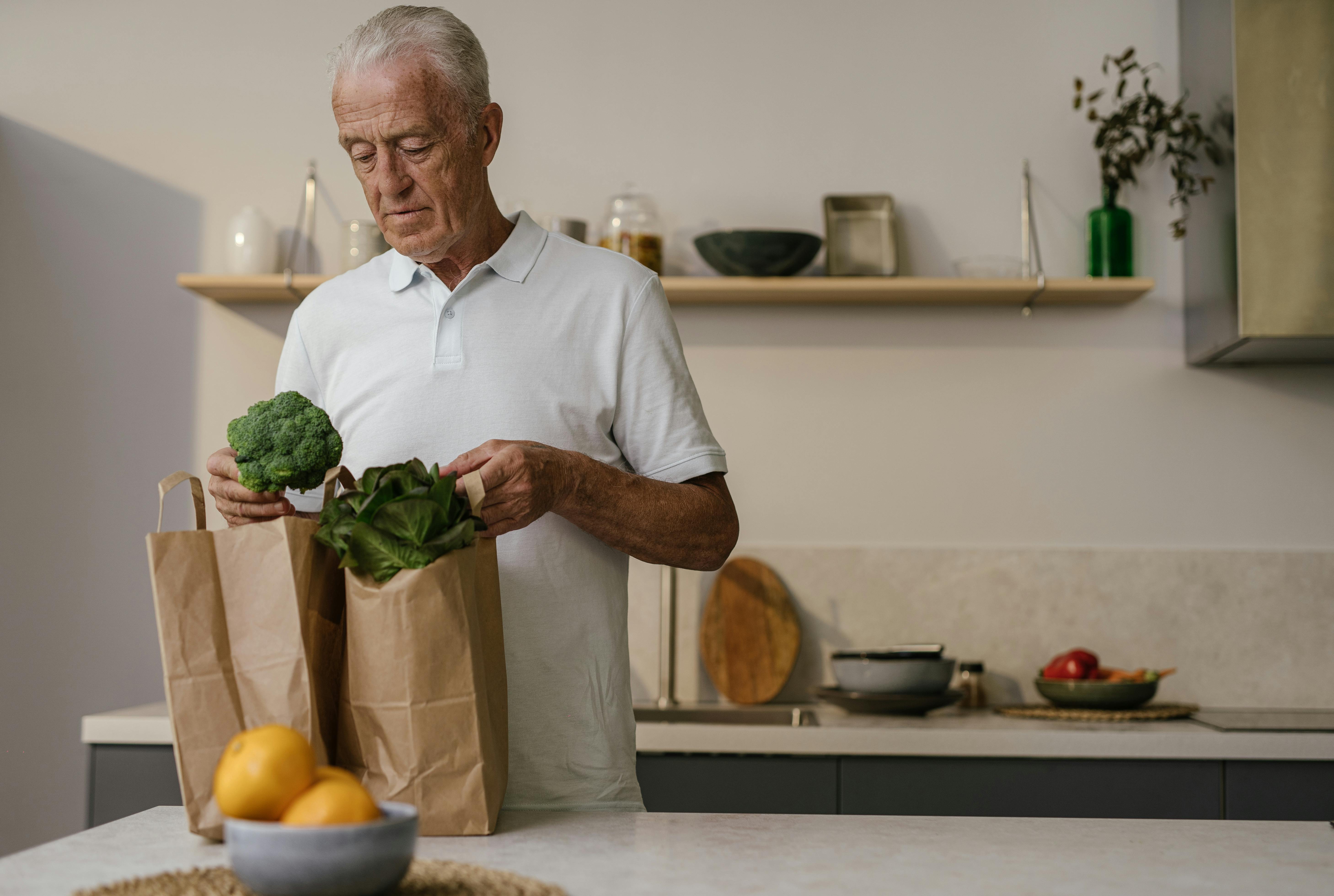
Aging well isn’t about chasing perfection or jumping on every trend promoted by the hot social media influencer of the week. It’s about a handful of steady habits that are doable on real-life Tuesdays. The second leg of the healthy aging stool is a good diet and solid nutrition - not as a chore but a habit. If nutrition has felt noisy or complicated, you are not alone. Here’s a simple framework you can come back to when you want your meals to love you back.
First, anchor your meals with protein that you enjoy—think a palm-sized portion of fish, chicken, tofu, beans, low fat cheese, or eggs. This is not to suggest that you must avoid red meat, just don't make it the foundation of your diet. Maybe, as the TV commercial used to say, "Beef! Its what's for dinner". Just don't have it 5 nights a week.
Then build some color around it: leafy greens, steamed or roasted veggies, bright fruits, or whatever produce is in season. Whole-food carbs (oats, quinoa, potatoes with the skin on, brown rice, whole fruit, whole grain breads and pasta) round it out, and fiber-rich choices will help you feel full and more satisfied. Unless you are intentionally trying to lose weight, don’t bother to count anything. Just look down and ask, “Do I see protein, plants, and something hearty on this plate?”
Next, add fats that make good food taste even better: a drizzle of olive oil, a few olives, avocado, nuts or seeds. Carry some water around with you and have some tea in the afternoon - hot or cold. It doesn't have to be herbal (unless you like herbal). When you do have bread, pasta, or rice, pair them with some protein or healthy fats—this simple combo will leave you feeling steadier between meals. And keep ultra-processed snack foods as an occasional thing. Moderation is the key here, not denial.
Also pay attention to a few nutrients that often come up in conversations about aging: B12, calcium, vitamin D, and magnesium, along with getting enough protein across the day. Then check in with your healthcare provider about labs to see where you stand. Supplements can help fill in any gaps in what you are getting from your food but take a "real food-first" approach. (Maybe that's why they call them supplements?)
In the kitchen, make meals that are easy to prepare—soups, sheet-pan dinners, soft-cooked veggies, smoothies when appetite is light or time is tight. Add plenty of herbs and spices in place of salt. And keep an eye on late caffeine or alcohol if they nudge your nights off track. Sleep is precious.
If you’re looking to simplify, try building your next plate with this “protein + plants + something hearty + a little healthy fat” lens and see how it feels. If this was helpful, save it for later—and tell me one small change you’re making this season. I’m cheering you on, right where you are.
Next time we will take a deeper dive on diet and nutrition issues of particular concern to us senior healthy agers.


No comments:
Post a Comment